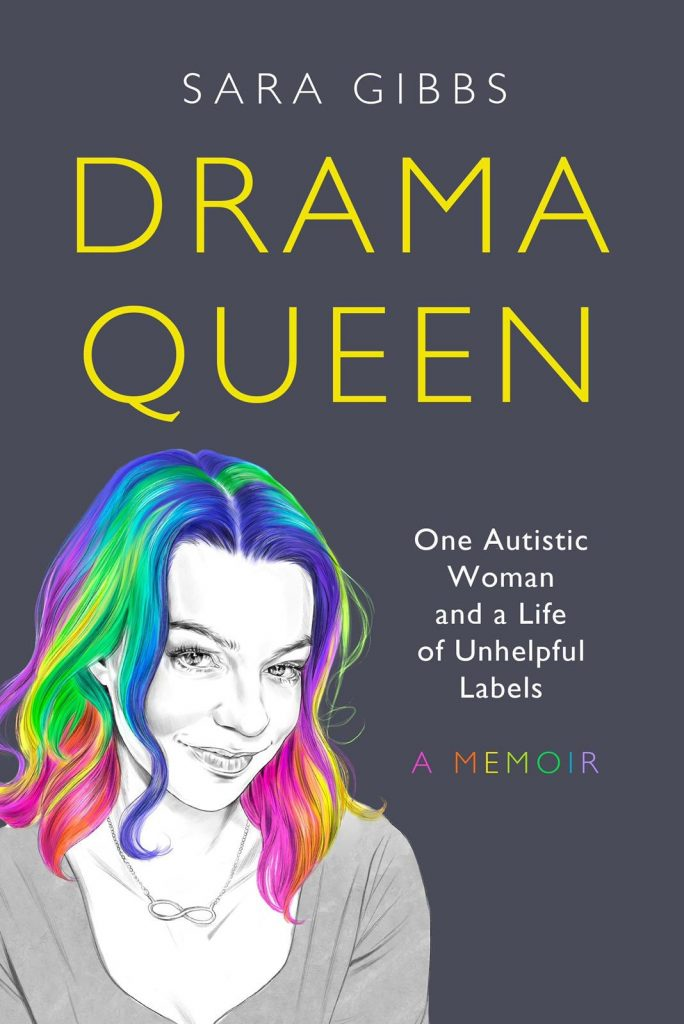
I came across this book by chance Drama Queen by Sara Gibbs. I found the book funny and heart-breaking at the same time. It gives an insight, what it is like to go through many years of they life being misunderstood.
I’ve just come across another interesting podcast called Climbing the Walls, which focuses on women with ADHD. Their second episode, called ‘She Wrote the Book on Women, Shame, and ADHD by Sari Solden. It’s definitely worth a listen.

An interesting episode on Neurodivergent Woman, it is called Aging as an Autistic Person with Prof. Sandra Thom-Jones. The episode talks about disclosing in your workplace, retirement, and care for when you get older and more.
I would recommend listening to ” The Neurodivergent Woman episode on Neurodivergent Stories with Jessica Horner”. They talk about retelling your own story from how you see and feel, based on your own personal experience.

Different, Not Less by Chloé Hayden is a great book that takes you through her childhood to her present-day life. This book shows you that the school system is not ideal for everyone. It shows how hobbies and different activities outside school or in your life can make such a difference to someone, being able to thrive, and a way to get the support they need.

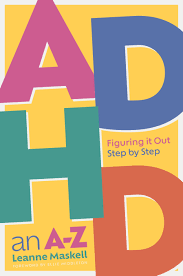
I just finished reading ADHD an A-Z by Leanne Maskell, which I really enjoyed. I love that the book is structured in A-Z format, so you can dive in and out when you want or need to. It is helpful with links to other support groups and information like how to apply to get access to work.
The Counselling Tutor Podcast briefly discusses the double empathy problem in this episode. They clearly explain what it is and how it might show up in a counselling session, which might be helpful for counsellors who are working with neurodivergent clients.
Another great episode from The Neurodivergent Woman Podcast. It helps you to understand what dyspraxia is and how it can show itself in many ways.
This is another great episode of The Neurodivergent Woman Podcast. It really made me think about what self-care is for me.
After doing some more research, I found this article on ADDitude. The article explains PMDD in more depth.
This Podcast episode by Talk Room is called Understanding and Managing PMDD (Premenstrual Dysphoric Disorder). The episode was really great at explaining symptoms and ways to manage PMDD. I feel that most people do not talk about it enough or do not know about it.
This episode of the Neurodivergent Women Podcast was enlightening. I learned a little bit about OCD and how it can affect people.
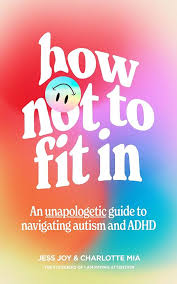
This book was really good- Jess and Mia looks at all areas of life and how you might be able to make things a bit easier. Really enjoyed the worksheets- really made me think deeply about certain things. Also handy having a list of resources at the end of the book.
I have just finished reading this brilliant book by Ellie Middleton. It has so many hints and tips on how to support yourself or how someone can support you. My favourite section was what support you can get within the a work place/ office.

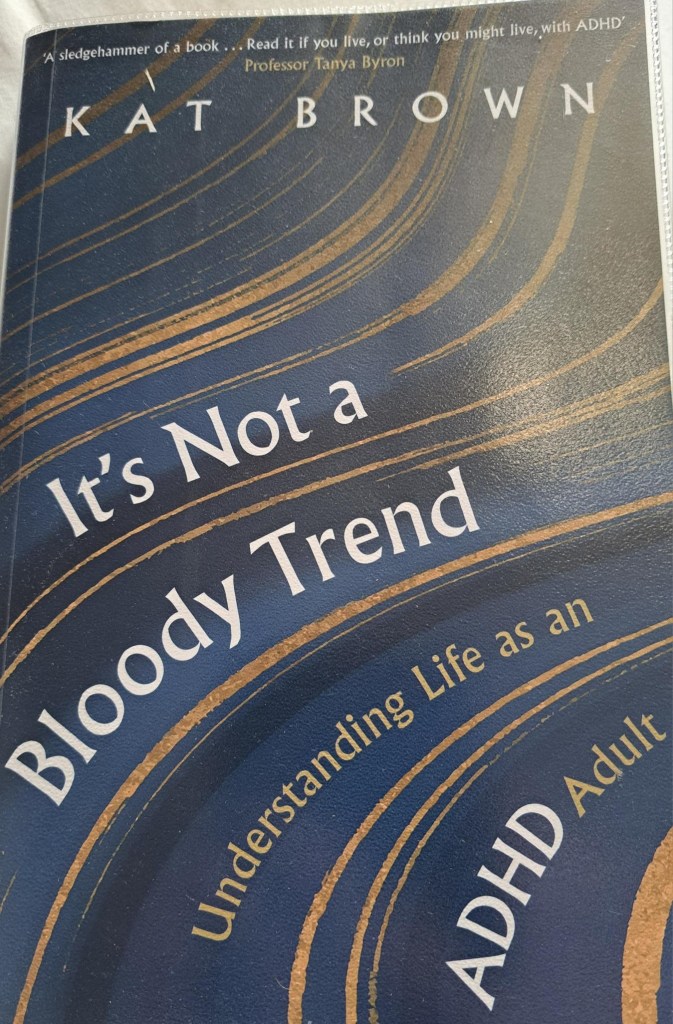
One of the most helpful books I have read so far on ADHD. The way it is written is in very easy sections- with insights from a range of people of all ages and genders that have experiences of living with ADHD. (not just the authors point of view). Really liked the cheat sheets that are at the end of each chapter.
I’ve been listening to this interesting podcast- The episode about stimming is very light to listen too and helps you understand more about it.
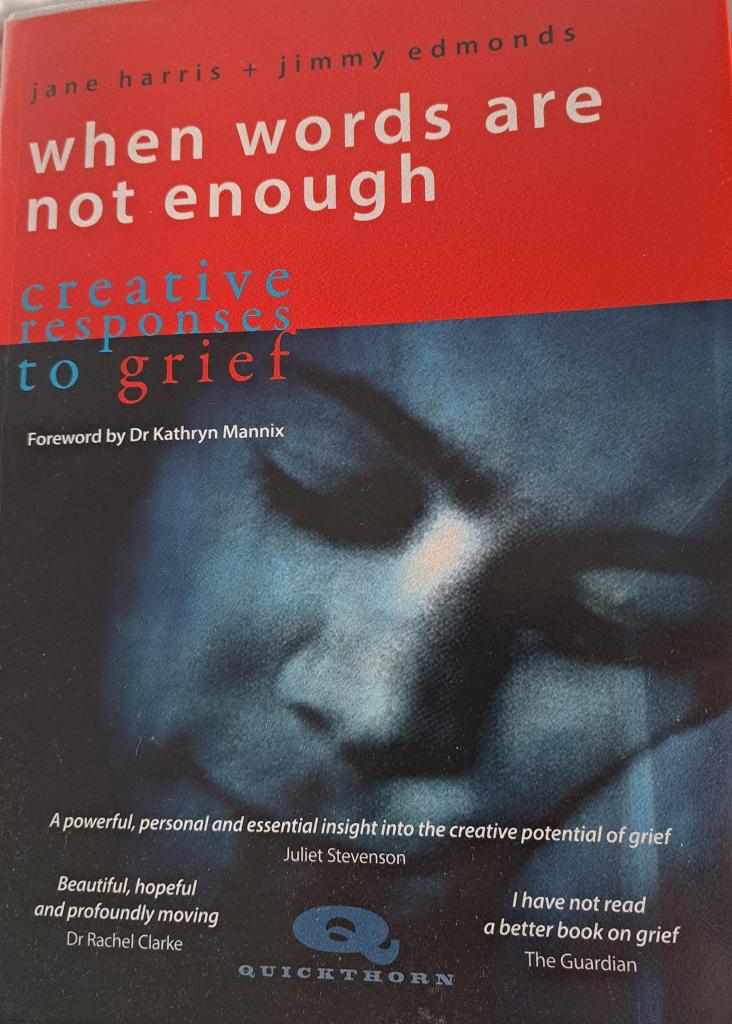
I have just finished reading this book: It was very interesting to read how different people expressed their grief in a range of creative ways. From using photography’s to open water swimming are just a few.
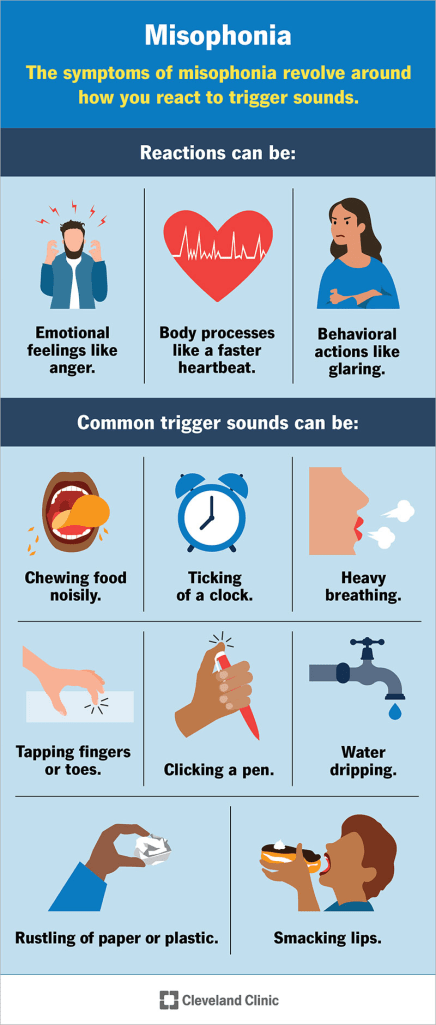
What I discovered when I was reading Divergent Mind is that if you get triggered by certain sounds- it can lead to either an emotional or physiological response. Which might show as a flight or fight response within you. This is known as Misophonia – some triggering sounds can be a ticking clock or tapping fingers or toes. As shown in the image below by Cleveland Clinic. The best way to deal with this is either to take yourself away from the sound or tell the person or people that their actions are triggering you. Whatever might be the better option in the situation.
I read this book a few months ago and it is very refreshing for anybody out there- who are or might think they are neurodivergent.

 Counselling Beyond